
Innovation Plan Integration
This course aligns with my innovation plan by planning for the Year One professional learning (PL) implementation. By utilizing Fink’s (2013) course design principles I will create a significant learning environment for learners. This course will provide educators implementing the Reading Horizons (RH) program with critical knowledge of the Science of Reading (SoR) and Structured Literacy. It will build educator understanding of the RH program method, instructional routine, skills taught and marking system. A year after this course is over, I want and hope that PL attendees will have a deep understanding of the RH program. I want them to have the knowledge and capacity to accurately teach foundational literacy skills following the gradual release instructional routine of the Daily Core 4. I also want them to have the knowledge and ability to utilize program resources, including assessments, effectively to target individual student needs.

Big Hairy Audacious Goal (BHAG) – Course Goal
To develop educators who embrace the role of learner and continually strive to reflect and adjust their foundational literacy teaching practices to ensure optimal student outcomes.
3 Column Table
The following 3-Column Table outlines the learning objectives for Year One PL, the learning activities that will support learning objectives, and the assessments that will demonstrate achievement of learning objectives.
Formulating Significant Learning Goals
Learning Environment and Situational Factors to Consider
Specific Context:
The number of attendees at each PL event varies widely from 4-35 attendees. The Year One PL events are for current educators and administrators who are using the RH program in their school/district. Year One PL includes two full synchronous in-person days of instruction with asynchronous online PL video modules for additional support. The two full synchronous days are typically scheduled 4-6 weeks apart. Physical elements of the learning environment include the comfort of the space and chairs. It also is more effective if there is adequate open wall space for the facilitator to conduct standing dictation practice with attendees. The facilitator requires internet access and the ability to project the PL slides, including audio connection. PL attendees require their own computers to access the practice content and the teacher website.
General Context:
The school/district administrators expect that all educators who will be teaching or working with students using the RH program will attend Year One PL events. The learning expectation is that each PL attendee understands the skills taught within the scope and sequence, the method and marking system, the instructional design, and how to use both the direct instruction materials and software component of the RH program. Attendees will learn about SoR which will lead to internalizing the importance of teaching foundational literacy skills to students in grades K-12. As a society, there is an expectation that students will graduate from high school as proficient readers. Educators have a common goal of helping students succeed in school, but also in life. Teaching students to read is critical to ensure positive educational outcomes and beyond. Literacy is opportunity.
Nature of the Subject:
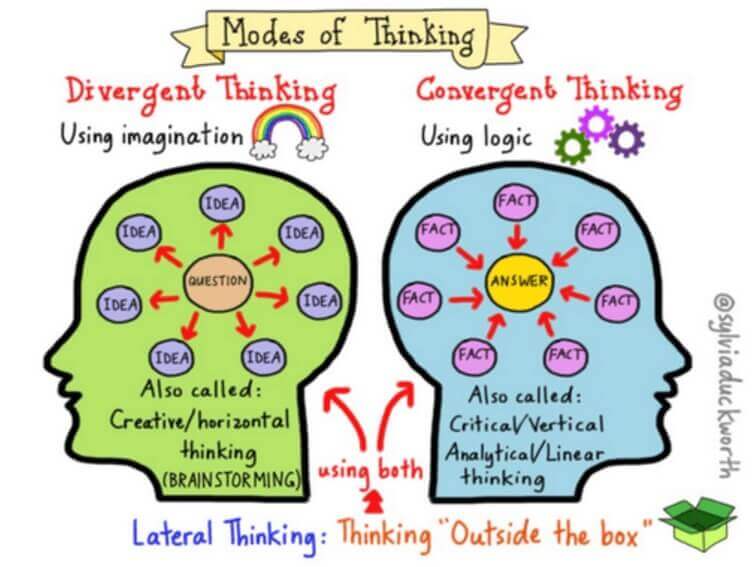
The subject of foundational literacy is primarily practical, but there are theoretical considerations that can affect practice. Foundational literacy is generally a subject that requires convergent thinking, meaning that the learner uses standards or probability to make judgements and gives the ‘correct’ answer to questions that do not require significant creativity (Guilford, 1956). There are currently important controversies occurring within the field of foundational literacy instruction. There is a shift happening from what is known as Balanced Literacy, to aligning with what neurological research tells us about how the human brain learns to read, known as the Science of Reading (SoR). This controversy factors into the learning environment of PL events when there are attendees who are not open to accepting new information about the reading brain or changing their instructional practices to align with scientific evidence.
Characteristics of the Learner:
The attendees of RH PL events are diverse and vary widely in their cultural, socio-economic, and personal backgrounds. Even the professional background, experience and prior knowledge of foundational literacy varies extensively within each school/district. One PL event may include paraprofessionals, administrators, experienced teachers, new teachers, primary or secondary grade teachers, reading or literacy coaches, instructional coaches and more. Despite the heterogenous nature of attendees, in my experience, their learning goals and expectations are in alignment. When asked what they are hoping to get out of the PL event, most teachers respond with some variation of wanting to learn strategies to support struggling readers or they hope to improve their instructional practices to get all of their students reading on level. This common goal unites us within the learning environment.
Characteristics of the Facilitator:
The PL facilitator team includes educators from all over the US with various backgrounds. However, each facilitator believes in literacy for all. The facilitator team is also united in aligning instructional practices with SoR. Facilitators believe that structured literacy is the best approach to give all students a learning advantage in reading. All PL facilitators have extensive knowledge of the RH program, including skills taught within the scope and sequence, the method and marking system, the instructional design, and how to use both the direct instruction materials and software component of the RH program. Each facilitator brings their own specialized knowledge based on their background (ie-Special Education, ELL, secondary, adult ed, etc.) into the PL event as needed. The facilitator team as a whole are dynamic presenters who clearly communicate content, facilitate active learning experiences, and provide opportunities for attendee reflection and deep understanding.
References
Fink, L. D. (2013). Creating significant learning experiences: An integrated approach to designing college courses. John Wiley & Sons.
Guilford, J. P. (1956). The structure of intellect. Psychological Bulletin, 53(4), 267–293. https://doi.org/10.1037/h0040755
 Facilitation Innovation
2 responses to “Aligning Outcomes, Assessment and Activities”
[…] Aligning Outcomes, Assessment and Activities […]
LikeLike
[…] Based on Aligning Outcomes, Activities and Assessments […]
LikeLike